26 Oct 2026
The Evolution of Secure Payment Gateways Supporting Reward Claims in Digital Prize Platforms
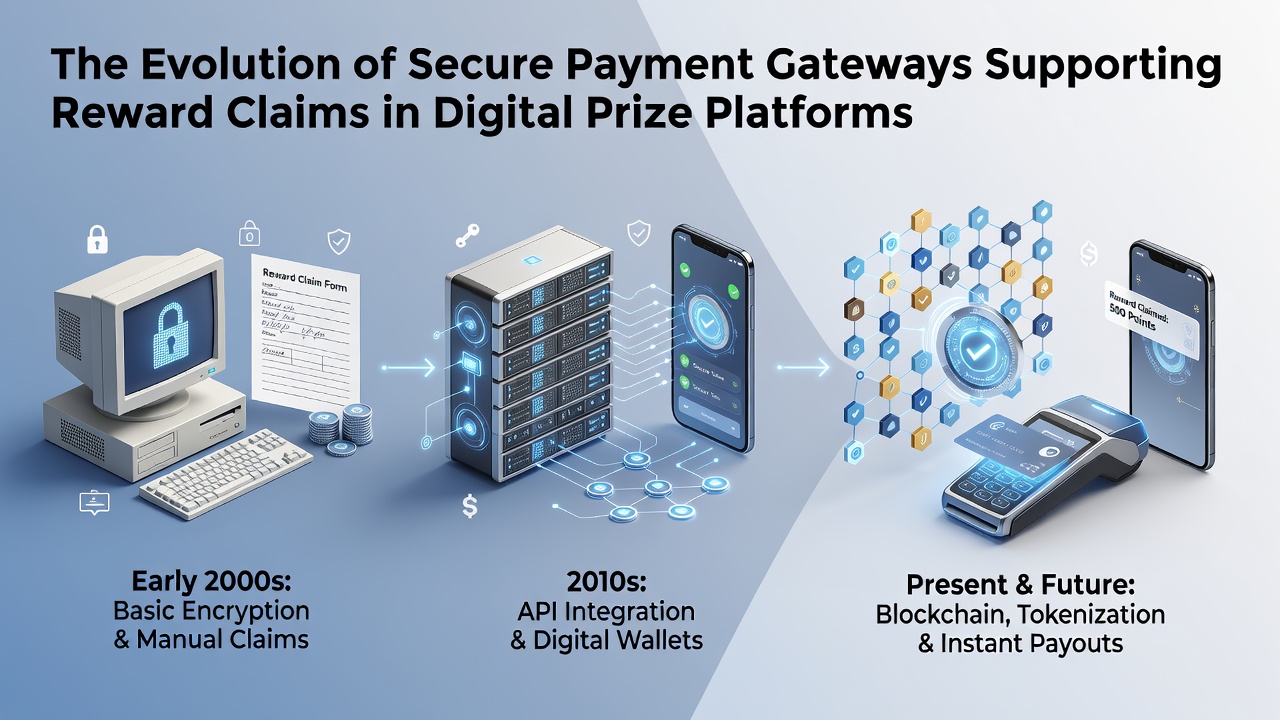
Digital prize platforms have relied on payment gateways that evolved from basic credit card processors in the late 1990s into sophisticated systems capable of handling reward claims with layered security protocols, and observers note that this shift accelerated once platforms began offering instant redemptions for points, credits, and merchandise across multiple jurisdictions. Early gateways focused primarily on transaction authorization through simple SSL encryption while reward claims required manual verification steps that often delayed payouts by several days, yet researchers tracking the sector found that user demand for faster access pushed developers to integrate tokenization methods that replaced sensitive card details with unique identifiers stored on secure servers.
Early Milestones in Gateway Development
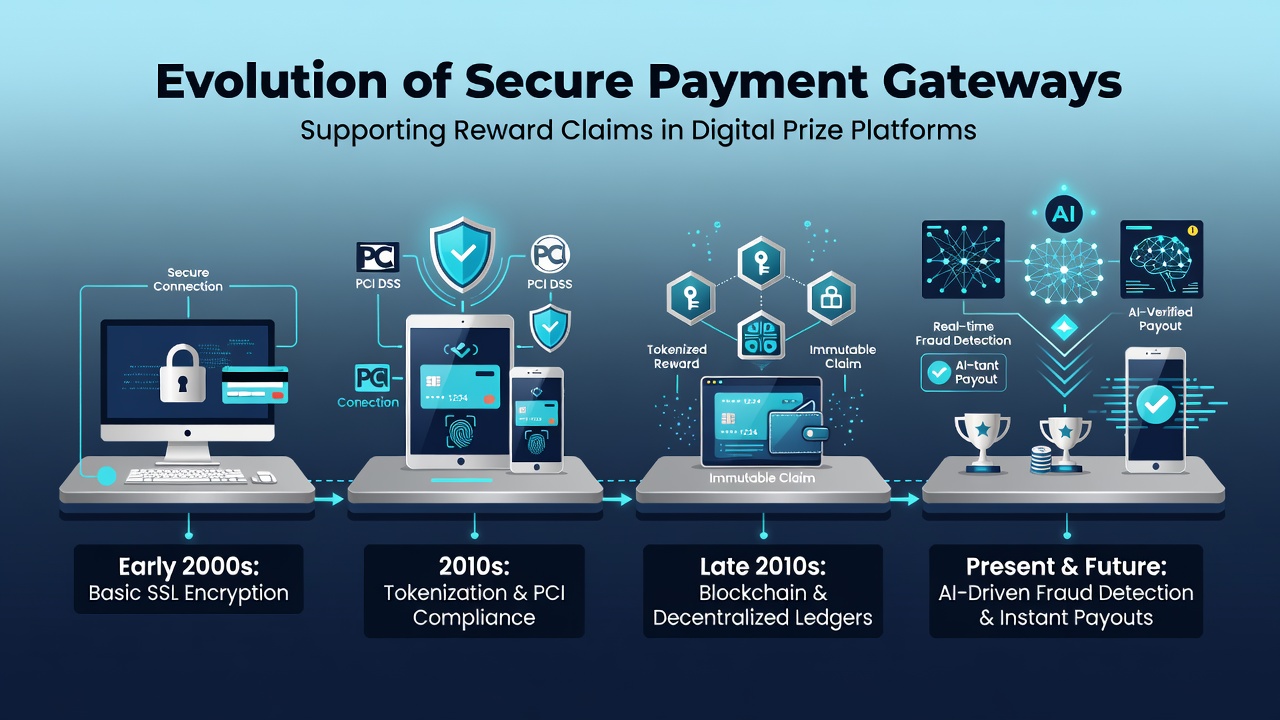
Payment processors introduced the first dedicated APIs for online prize redemptions around 2005, and those systems allowed platforms to verify user identities through basic address matching before releasing rewards, while data from industry reports indicates that fraud rates dropped noticeably once banks began sharing real-time blacklists of compromised accounts. By 2010, major providers had adopted PCI DSS compliance standards that mandated end-to-end encryption for every reward claim, and experts at research institutions documented how these requirements forced smaller platforms to partner with established processors rather than maintain in-house solutions.
Tokenization became standard practice during this period because it reduced the scope of data breaches, and one study revealed that platforms adopting the technology experienced fewer incidents involving stolen reward balances compared with those still storing full card numbers. Regulatory bodies in different regions added further requirements, such as the Australian Competition and Consumer Commission guidelines on digital transaction transparency that required clear disclosure of processing fees before any reward claim could proceed.
Integration of Advanced Security Layers
Multi-factor authentication entered widespread use after 2015 when platforms started linking reward claims to mobile devices through one-time passcodes, and figures from security audits show that this step alone cut unauthorized redemptions by more than half in many systems. Biometric verification followed soon after, with fingerprint and facial recognition options appearing on mobile apps, while researchers discovered that these methods improved both speed and user retention because claimants no longer needed to remember complex passwords for each transaction.
Machine learning models began monitoring claim patterns in real time around 2018, and they flagged unusual activity such as multiple redemptions from the same IP address within minutes, yet the models also allowed legitimate high-volume users to complete claims without additional friction once their behavior matched established profiles. Payment gateways incorporated blockchain-based ledgers in select regions by 2020 to create immutable records of reward distributions, and data indicates that this approach helped resolve disputes faster when users questioned whether a claim had processed correctly.
Regulatory and Technological Convergence
Standards bodies across North America and Europe aligned their requirements for payment gateways during the early 2020s, and this convergence meant platforms could deploy similar security frameworks in multiple markets without custom builds for each jurisdiction. The National Institute of Standards and Technology in the United States published updated guidelines on cryptographic modules that many gateways adopted for protecting reward claim data at rest, while Canadian regulatory updates emphasized consumer consent mechanisms that required explicit approval before any automatic deduction from reward balances.
By October 2026, several platforms are scheduled to implement quantum-resistant encryption algorithms in their gateways, and industry reports suggest these upgrades will address emerging threats from advanced computing systems that could otherwise compromise older encryption methods used for large-scale reward distributions. Open banking frameworks have also gained traction in certain markets, allowing users to authorize reward claims directly from bank accounts without entering card details, and this method reduces exposure to card-not-present fraud that historically affected digital prize redemptions.
Current Practices in Reward Claim Processing
Modern gateways support instant claims for digital rewards such as gift cards and account credits, while physical merchandise redemptions still route through established logistics partners that verify addresses against previous successful transactions. Risk scoring engines now evaluate each claim using dozens of variables including device fingerprint, location history, and account age, and platforms report that these engines approve the majority of legitimate requests within seconds while routing suspicious ones for manual review.
Third-party auditors conduct regular penetration tests on these systems, and findings from such assessments have led to incremental improvements such as shorter session timeouts during the claim process to limit opportunities for session hijacking. Collaboration between gateways and financial institutions continues to expand through shared databases that flag accounts associated with prior fraudulent activity, and this information sharing occurs under strict data protection rules that vary by region yet maintain core principles of consent and minimization.
Conclusion
The progression of secure payment gateways has enabled digital prize platforms to process reward claims with increasing speed and reliability while meeting evolving security and regulatory demands across different markets. Continued advancements in encryption, authentication, and monitoring tools suggest that future systems will further reduce friction for verified users while maintaining strong protections against unauthorized access.